
Pockyt is quietly making cross-border payments feel local.
Mason Lin didn't set out to build another wallet or another checkout. He set out to solve a much messier problem: how do you move money across borders without stitching together six vendors, three ledgers, and a stack of manual workarounds? Nine years later, Pockyt is the answer he's been building. It's a cross-border payments platform that helps American brands and marketplaces get paid by customers around the world, and pay vendors and contractors just as easily in the other direction.
"I came from a really entrepreneurial family town."
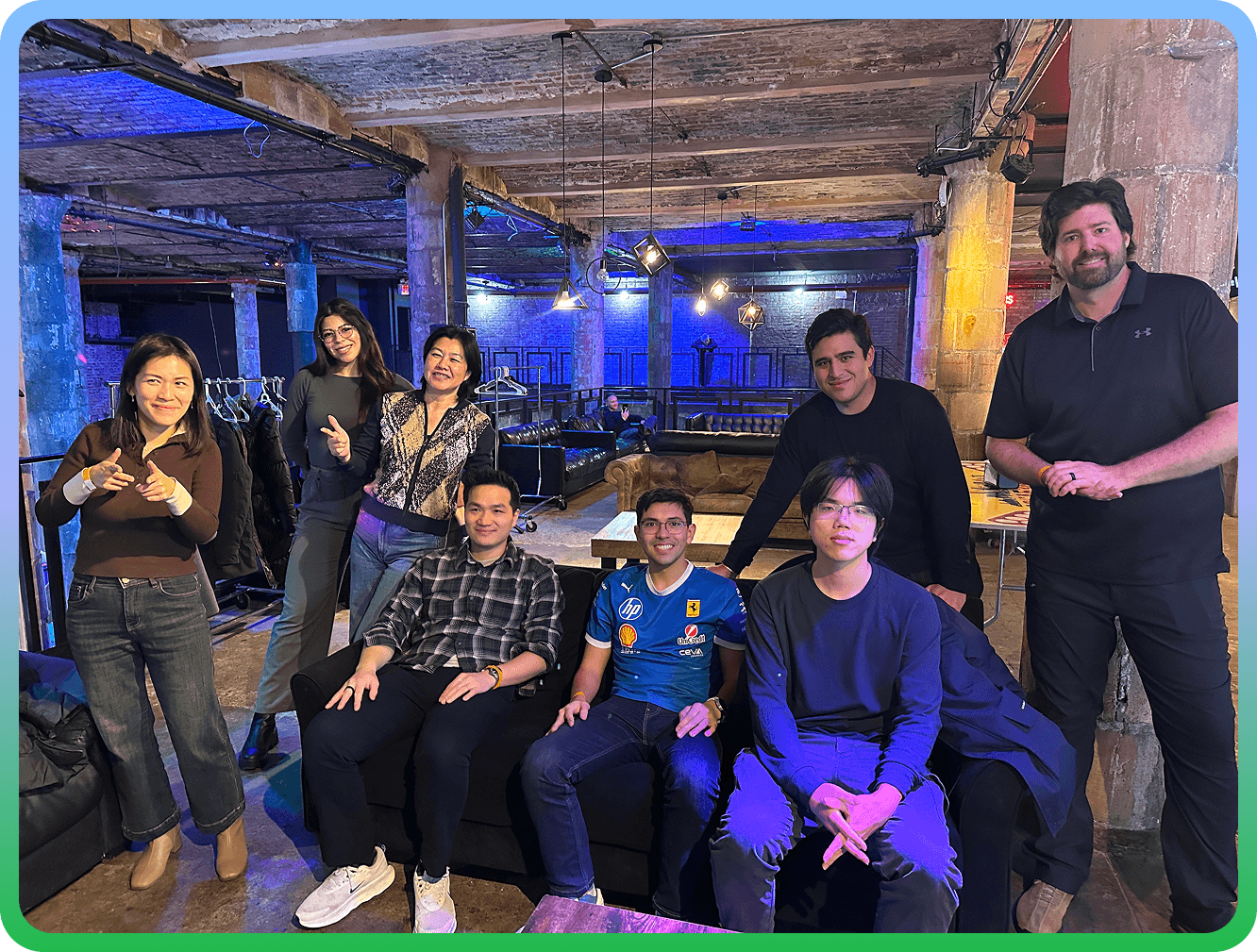
Nine years, two kids, and one very big idea.
Mason started Pockyt in 2017, in his late twenties, from New York City. He was raising two kids in one of the most expensive cities on earth while betting on an infrastructure problem most people said was already solved. It wasn't. Nine years in, he's still building, and he's honest about what that has looked like from the inside.

"We've been through lots of rollercoaster rides, some existential crisis, doing all that while raising two kids, living in New York City. It's pretty crazy, stressful, but at the same time, rewarding."
Helping American companies pay the world.
Pockyt's core customers are American retailers and e-commerce companies with international ambitions. On the pay-in side, that means accepting the mobile wallets and QR-based payments that hundreds of millions of shoppers around the world already use every day. On the pay-out side, it means moving money to the vendors, contractors, and marketplace sellers those businesses work with abroad, in their local currency, faster and cheaper than a wire. One integration, one ledger, both directions.
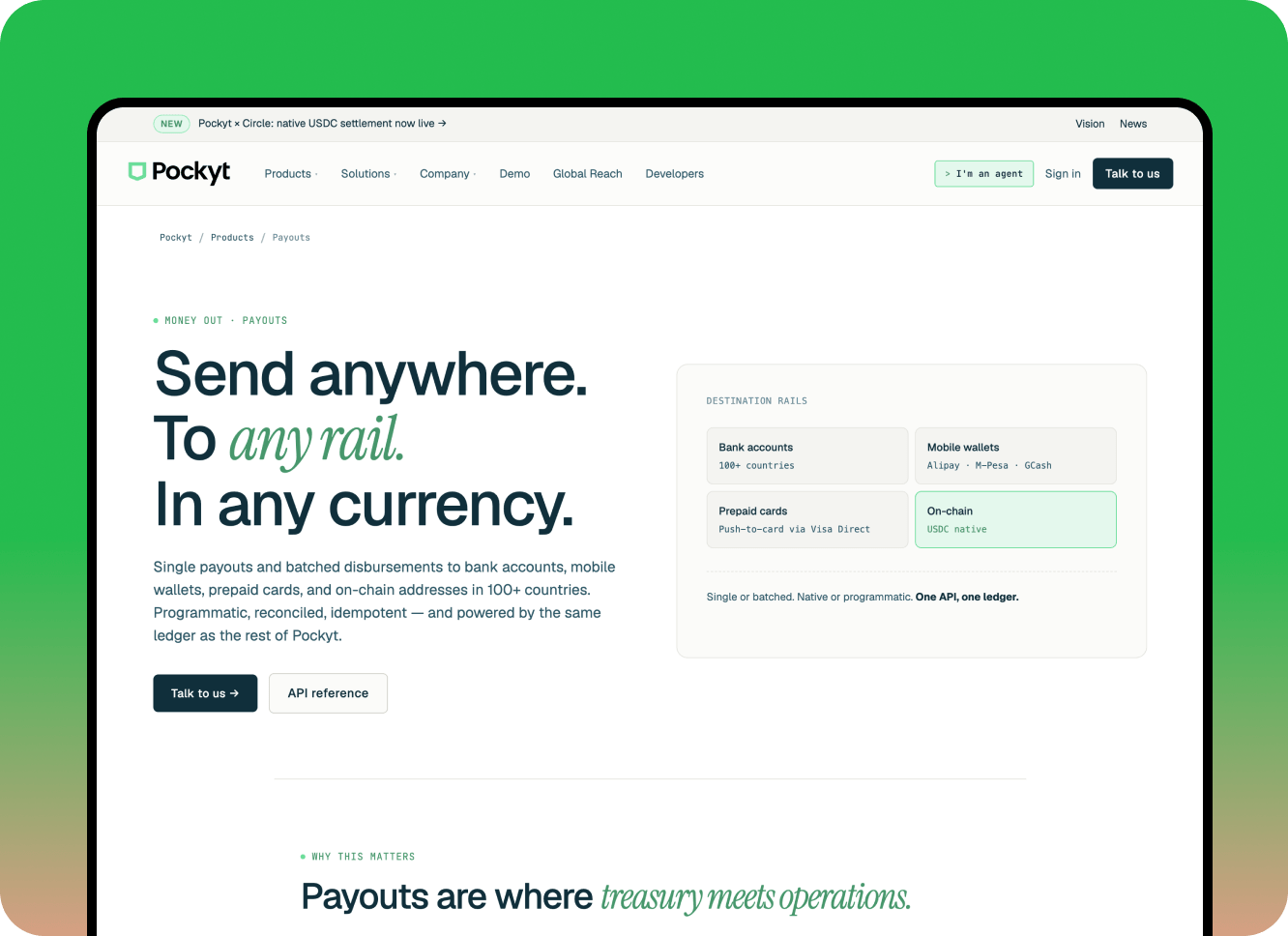
"They might have contractors, vendors in other countries' currencies, and they are looking to pay them more effectively, faster, cheaper and easier."
Using Fluz to power marketplace payouts.
For Pockyt's marketplace customers, gift cards turned out to be one of the most flexible payout options they could offer. Pockyt uses Fluz to source those gift cards through a single API, so when a marketplace needs to compensate a user or a contractor, the gift card is delivered instantly without anyone manually placing an order. Fluz becomes the invisible layer that turns "we need to pay this person" into "done."
"They can actually deliver all that through APIs, so we don't have to actually manually order gift cards for that particular payment. So it's pretty awesome."